dawei logo

Farm Poultry Equipment: How to Plan a System That Works as One

A poultry house can have new feeders, drinkers and fans and still be difficult to run. The problem often appears at the connection points: feed cannot reach the end of a line evenly, a water line is awkward to flush, or the egg conveyor has no clear route into the handling area. Good farm poultry equipment planning starts with those daily movements, not with a catalogue.
For a commercial project, decide first what you will raise, how the birds will be housed, and how feed, water, air, eggs or birds, and manure will move through the farm. Then specify equipment to fit the building and operating plan. The right poultry farming equipment package varies with production type, climate, utilities, local requirements and the staff who will maintain it.

What counts as poultry farm equipment?

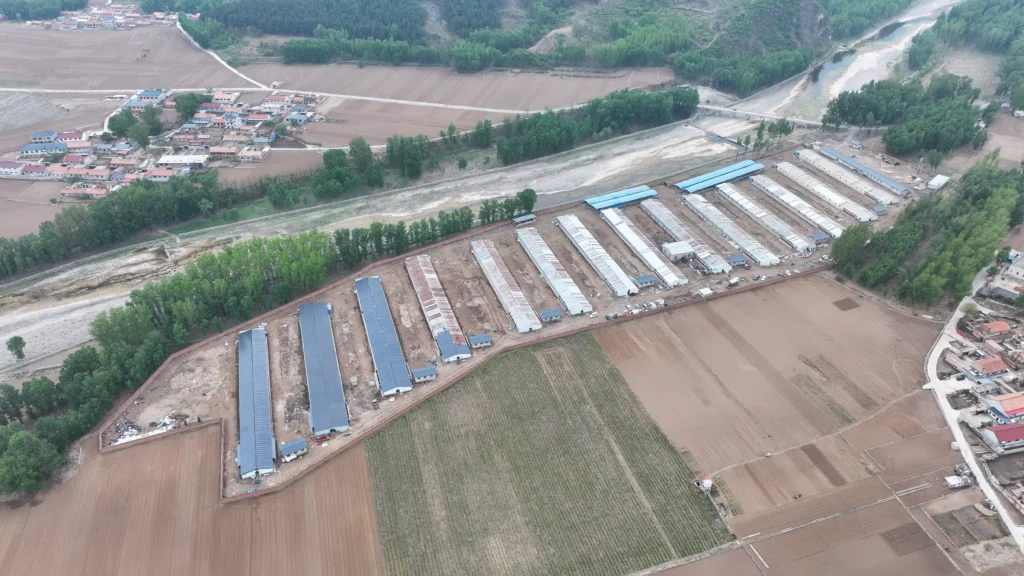
Poultry farm equipment includes the systems used to house and care for birds, deliver feed and water, manage the house environment, and move products or waste. A project may include housing, feeders, drinkers, ventilation, cooling or heating, lighting, controls, egg collection, manure removal and supporting conveyors. Broiler, layer and breeder operations do not use identical layouts, so a checklist is a starting point—not a universal bill of materials.
Dawei’s describes equipment categories including feeding, drinking, manure removal, egg collection and environmental control. Which items belong in a particular project should be confirmed against the farm layout and production plan.
Floor-Rearing System for Chicken Farms (3)
Case Studies of Partner Factories

Plan the house before choosing machines

Before requesting quotations, write down the intended flock type and capacity, the housing approach, house dimensions, local climate, water source and electrical supply. Also map the daily route for people, feed, birds, eggs and manure. Those details shape equipment selection and reveal constraints that a bird-count estimate alone cannot show.
If you are building or expanding, ask suppliers to mark the proposed equipment on a house drawing. Check service aisles, access to drives and control points, and how components can be cleaned or repaired. Confirm building, animal-welfare, environmental and electrical requirements with qualified local professionals and the relevant authorities; requirements vary by location.

The main poultry farming equipment systems

Housing and flock access

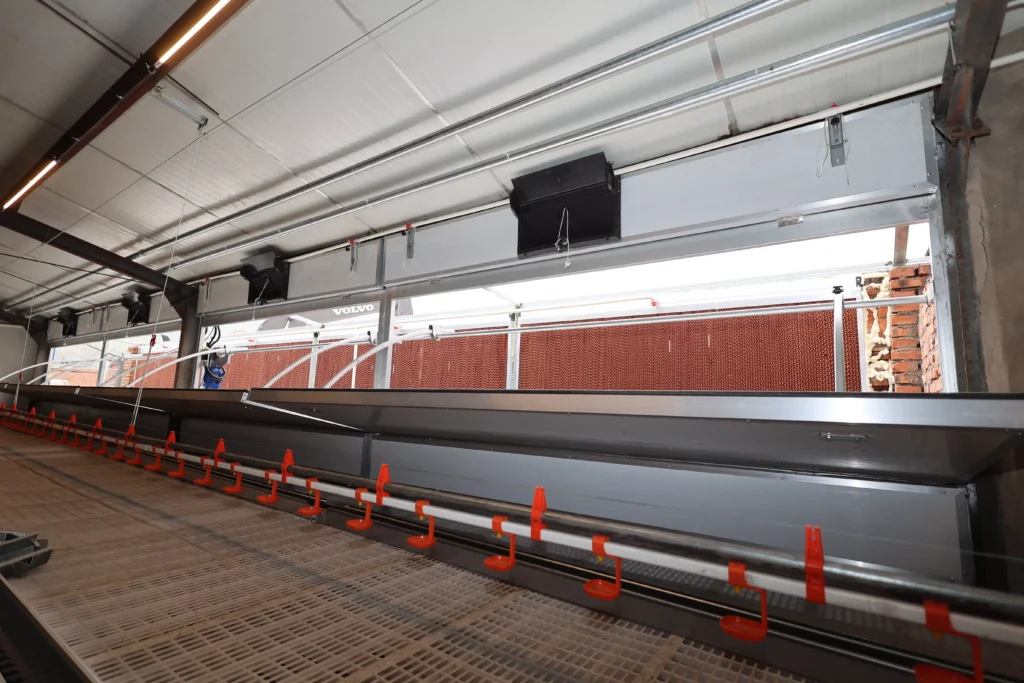
The housing system determines where feeders, drinkers, nests, perches, walkways and service routes can go. Check that staff can inspect birds and reach equipment without blocking routine work. Where cages are part of the chosen and locally permitted system, compare the layout, dimensions, accessories and maintenance access as a complete arrangement. Dawei’s are examples of product configurations; confirm project specifications and local suitability directly with the supplier.

Feed storage and distribution

A feeding system may run from storage silos through conveying equipment to distribution lines and bird-level feeders. Ask what the quotation includes at every handoff: silo connections, conveyors, drives, controls, wiring and installation may be listed separately. The layout should also let operators check feed flow and reach wear parts without disrupting other routines.

Drinking water

Plan water delivery around the source, quality, pressure, filtration or treatment needs, line layout, shutoffs and flushing. Ask how staff will identify leaks or blocked sections and how filters and regulators are inspected. A suitable system depends on the housing and flock plan; have water quality and project-specific requirements assessed rather than assuming one configuration suits every site.

Ventilation and environmental control

Fans, air inlets, cooling or heating equipment, sensors and controllers work as a system. Their configuration depends on house design, bird age and local weather. The University of Georgia’s poultry housing resources cover topics such as air inlets and bird cooling, illustrating why ventilation should be planned for the building rather than selected by fan count alone.
Ask the supplier to explain the design basis, control strategy, alarms and maintenance access. Discuss backup power for essential equipment with a qualified local electrical professional. Equipment selection alone does not establish safe operating settings; use flock-specific guidance and the system supplier’s instructions.

Egg collection, bird handling and manure removal

Layer farms should map the egg route from the house to the collection or packing area, including every conveyor transfer. Confirm which downstream equipment is included and where staff need access for inspection and cleaning. Broiler and breeder farms have different handling workflows, so avoid assuming layer equipment is relevant to every operation.
Plan the manure route and destination before selecting removal equipment. Clarify how material leaves the house, what routine cleaning and inspection require, and what storage or further handling is needed. Waste management and environmental obligations vary by location; confirm them with local advisers and authorities.

Controls, alarms and biosecurity provisions

Controls can coordinate equipment, but they do not replace routine observation and maintenance. Specify which conditions trigger an alarm, where it is reported, and what happens during a power or equipment failure. Include safe access for inspection and a clear plan for spare parts and service.
Biosecurity measures also affect equipment use and site layout. Provide suitable handwashing and protective-equipment arrangements at controlled entry points, and follow the farm’s veterinarian-led biosecurity plan. USDA APHIS provides poultry biosecurity resources for U.S. producers; farms elsewhere should follow their own national and local guidance.

Floor-Rearing System for Chicken Farms (2)

How to compare poultry farm equipment quotations

Compare the written scope and marked-up layout, not just the headline price. Ask each supplier to identify included and excluded equipment, capacity assumptions, utilities, installation, commissioning, training, spare parts and after-sales support. Confirm that feeders, drinkers, environmental controls and handling equipment fit together in the actual building.
A useful request package includes a house drawing, flock and production details, site climate, available water and power information, desired automation level, and the intended egg, bird or manure workflow. Dawei’s page describes custom design, installation guidance and after-sales support. Ask which services apply to your project and record the agreed scope in the quotation.

Common planning mistakes

Buying equipment before finalizing the house layout can create awkward routes and service problems. Comparing quotations with different equipment scopes can make a lower price look more attractive than it is. Another common gap is treating ventilation, water delivery or controls as standalone purchases rather than systems that must match the house and operating plan.
Do not assume that automation removes the need for daily checks. Staff still need to observe birds, inspect lines and drives, respond to alarms and follow cleaning and maintenance procedures. Build those tasks into the design and training plan.

Frequently Asked Questions

What equipment does a commercial poultry farm need?

Most farms need housing, feed and water delivery, and a way to manage the house environment. Depending on production type and workflow, the project may also need egg collection, manure removal, bird-handling equipment, controls and supporting conveyors. The final list should be based on the site and local requirements.

How do I choose poultry farming equipment for a new house?

Start with the production type, housing plan, building dimensions, climate, utilities and daily workflow. Ask suppliers to show the proposed systems on a house drawing and explain what is included, how components are maintained and what support is available.

Can one poultry equipment package suit every farm?

No. House dimensions, production system, climate, utilities, local rules and labor arrangements all affect the equipment plan. A package should be specified for the actual site rather than selected from a generic list.

Should I automate every process at once?

Not necessarily. Decide which tasks create the greatest operational bottleneck, then check whether the house, utilities, staffing and maintenance capacity can support the proposed automation. Compare staged upgrades with a complete system using written scope and lifecycle service requirements.

Conclusion

Effective farm poultry equipment is planned around the house and the work that happens inside it. Set the production and housing plan first, map feed, water, air and product or waste routes, and then compare complete layouts and written scopes. That approach makes it easier to spot gaps before ordering and to choose poultry farm equipment that staff can operate and maintain.
For a project discussion, send Dawei the house drawing, flock plan, site conditions and required workflow through its .

Leave a Comment

Your email address will not be published. Required fields are marked *